
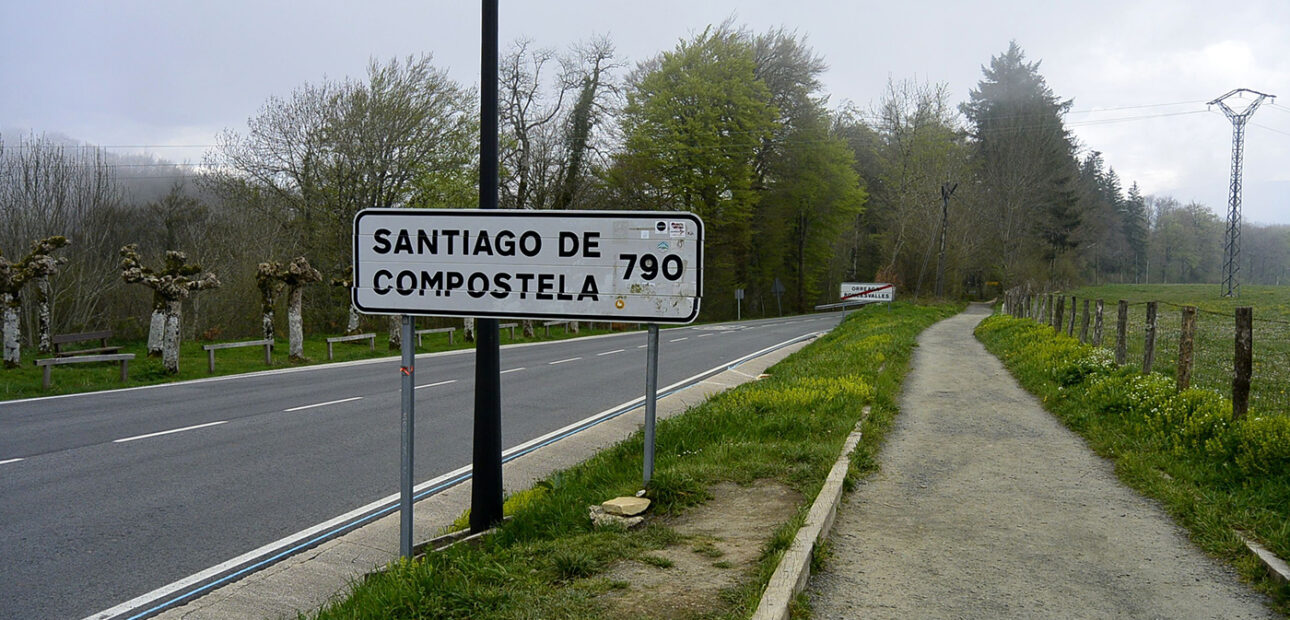
For centuries, travelers have followed different roads towards Santiago de Compostela in northwestern Spain. The Santiago de Compostela Pilgrim Routes form a network, not one single path. Some begin in Portugal or France, others within Spain itself. Their distances, landscapes, and walking conditions change greatly, but the destination of the main pilgrimages remains the same city.
History and Main Santiago Pilgrim Routes
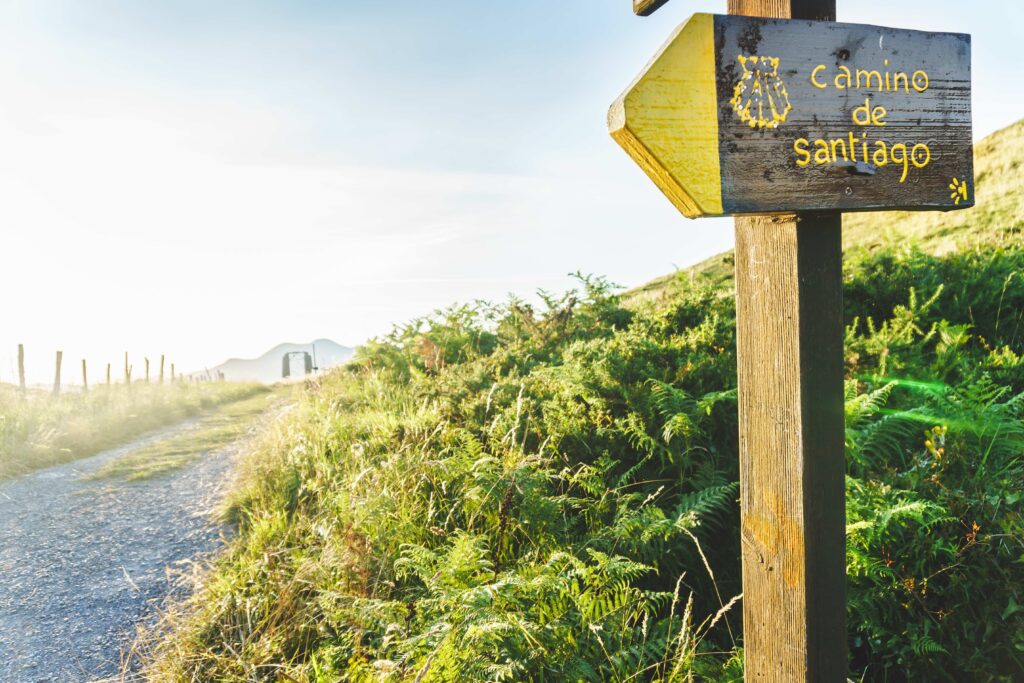
Pilgrimage to Santiago developed around the tradition of the tomb of Saint James, known from the ninth century. Routes appeared from different directions. Today several established ways have signs and accommodations for people walking them. Seven principal itineraries have quite different character:
- Camino Francés: about 790 kilometers from France, crossing historic Spanish towns
- Camino Portugués: from Lisbon or Porto, with central and coastal choices north of Porto
- Camino del Norte: around 825 kilometers from Irún, passing the northern Spanish coast
- Camino Primitivo: about 321 kilometers from Oviedo, through mountains and woodland
- Camino Inglés: roughly 116 kilometers from Ferrol, a shorter way across Galicia
- Via de la Plata: around 1000 kilometers from Seville, following an old Roman corridor
- Camino Finisterre and Muxía: an unusual extension starting in Santiago and going towards the Atlantic
Different Landscapes and Walking Conditions
The French Way has many pilgrim hostels, called albergues, and passes Pamplona, Burgos, and León. Its middle part crosses broad plains. In summer those open areas can become very hot. The route is also busy, especially where walkers join for the final 100 kilometres from Sarria.
The Portuguese routes give other scenery. An inland way passes historic settlements and fields. Coastal variations from Porto follow beaches and sea areas before joining the central way. Routes can meet again, so separate beginnings do not always mean separate endings.
Northern and Mountain Paths
The Northern Way has repeated uphill and downhill sections beside coastal towns. Camino Primitivo crosses less populated parts of Asturias and Galicia. Forest tracks, steep slopes, and uncertain mountain weather make the experience different from walking through large cities.
Route Length, Seasons and Facilities
Walking time depends mainly on the chosen starting point. The English Way needs only several days, while Via de la Plata can take many weeks. The latter has long gaps between towns and fewer places to stay. It is particularly difficult during southern Spain’s summer heat.
Spring and autumn suit many routes, although rain is possible in Galicia. On the northern coast, summer is commonly a good walking period. Pilgrims may also walk only one section instead of the complete historical distance. Clear walking signs help with direction, but distance and weather still shape each day on the road. In every case, routes join walking, landscape, and old religious tradition.