
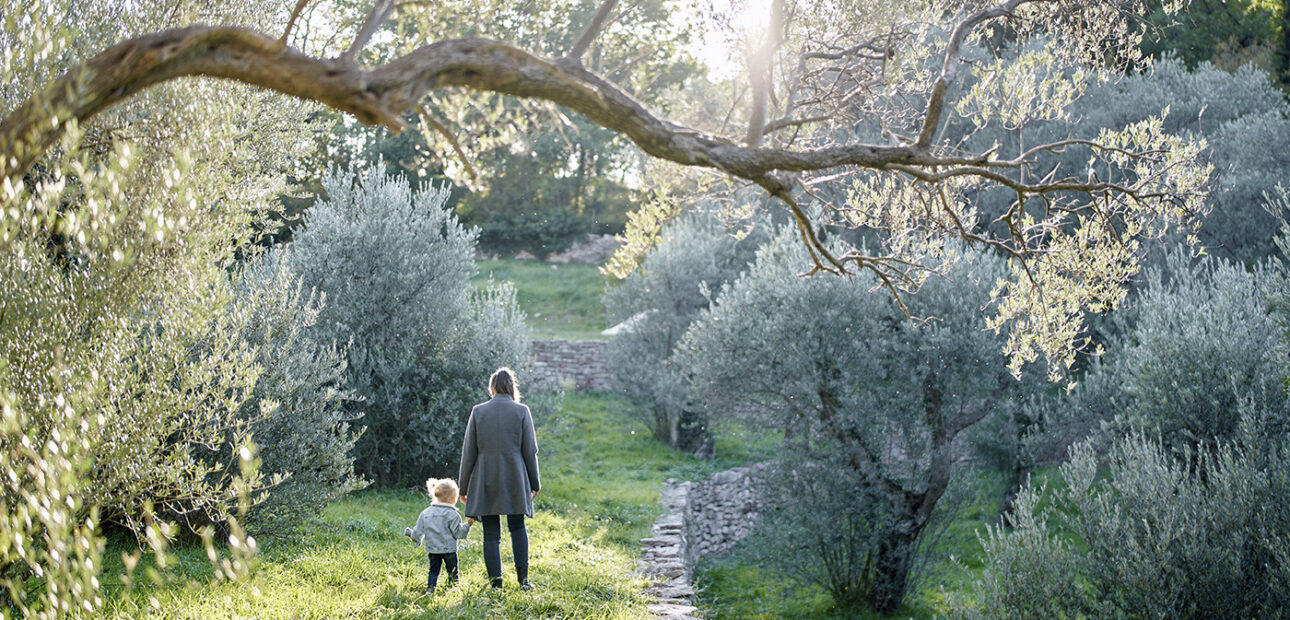
Across Europe and the Mediterranean, the olive tree has become the center of a cultural network called the Routes of the Olive Tree. It began as a group of thematic itineraries in 1998 and later gained an organization based in Greece. The routes connect research, cultural events, and meetings around the history and cultivation of this familiar Mediterranean plant.
Origins of the Routes of the Olive Tree
The itineraries were inaugurated in 1998. Their theme was not a single city or monument, but the olive tree and the civilization connected with it. The network reached more than 25 countries in Europe and around the Mediterranean. This wide area gives the project an international rather than local character.
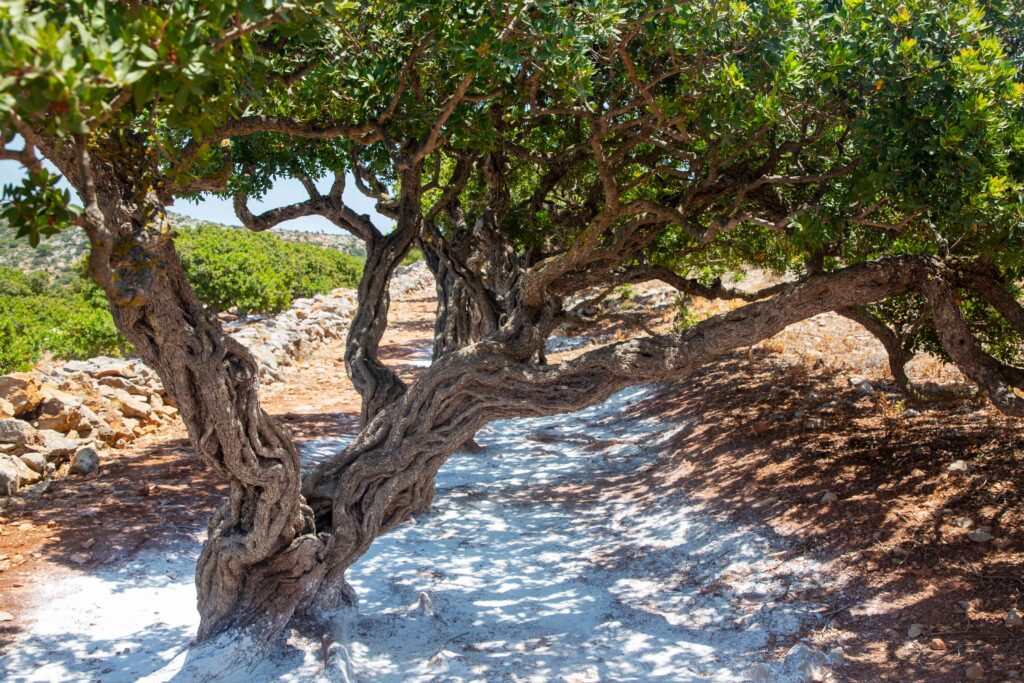
A cultural foundation with the same name was later established in Greece. The organization works on research, documentation, protection, and the appreciation of olive tree civilization. It is also a non–governmental organization. Its subject includes the tree and the history people formed around it.
Cultural Activities and Research
The routes involve several kinds of activity. They are connected by the same theme, even when an event takes place in a different country or setting. The main activities include:
- Exhibitions presenting subjects related to the olive tree and its history
- Meetings with local institutions in places connected with the itineraries
- Cultural events bringing attention to the olive tree across countries
- Research into the history of the tree and how it is cultivated
These activities make the project different from a journey between points. Research gives information about the past, while public events bring that subject into wider view. Local meetings also give institutions a place in the work. The project is concerned with culture as much as with a plant.
The Olive Tree as a Common Theme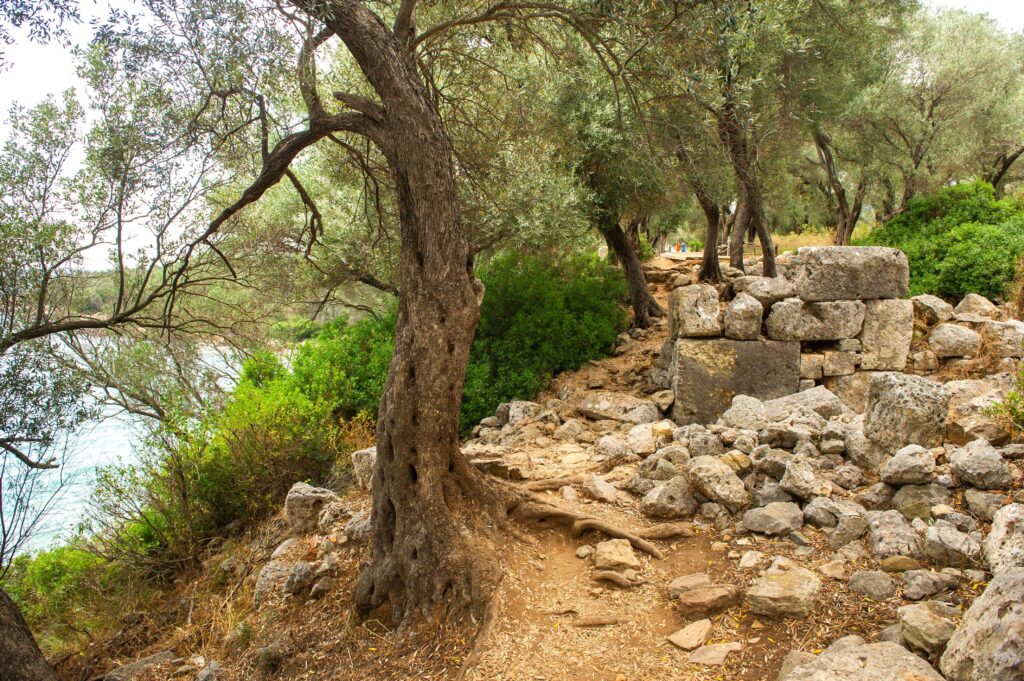
One tree can be studied through history, cultivation, and cultural life. This is why the routes are thematic. Their connection is the subject, not only a continuous road. Countries may be different, but the olive tree remains the common cultural point between their activities.
International Cultural Recognition
In 2003, the initiative was nominated by UNESCO as an international cultural itinerary associated with intercultural dialogue and sustainable development. In 2006, the Council of Europe gave it the title Great European Cultural Itinerary. Both dates mark recognition beyond the places where activities happen.
The initiative also operates under the auspices of the International Olive Council, the Hellenic Ministry of Culture and other institutions. Its international position reflects the broad geography of the itineraries. From their start in 1998, the routes have joined cultural work and the study of the olive tree.